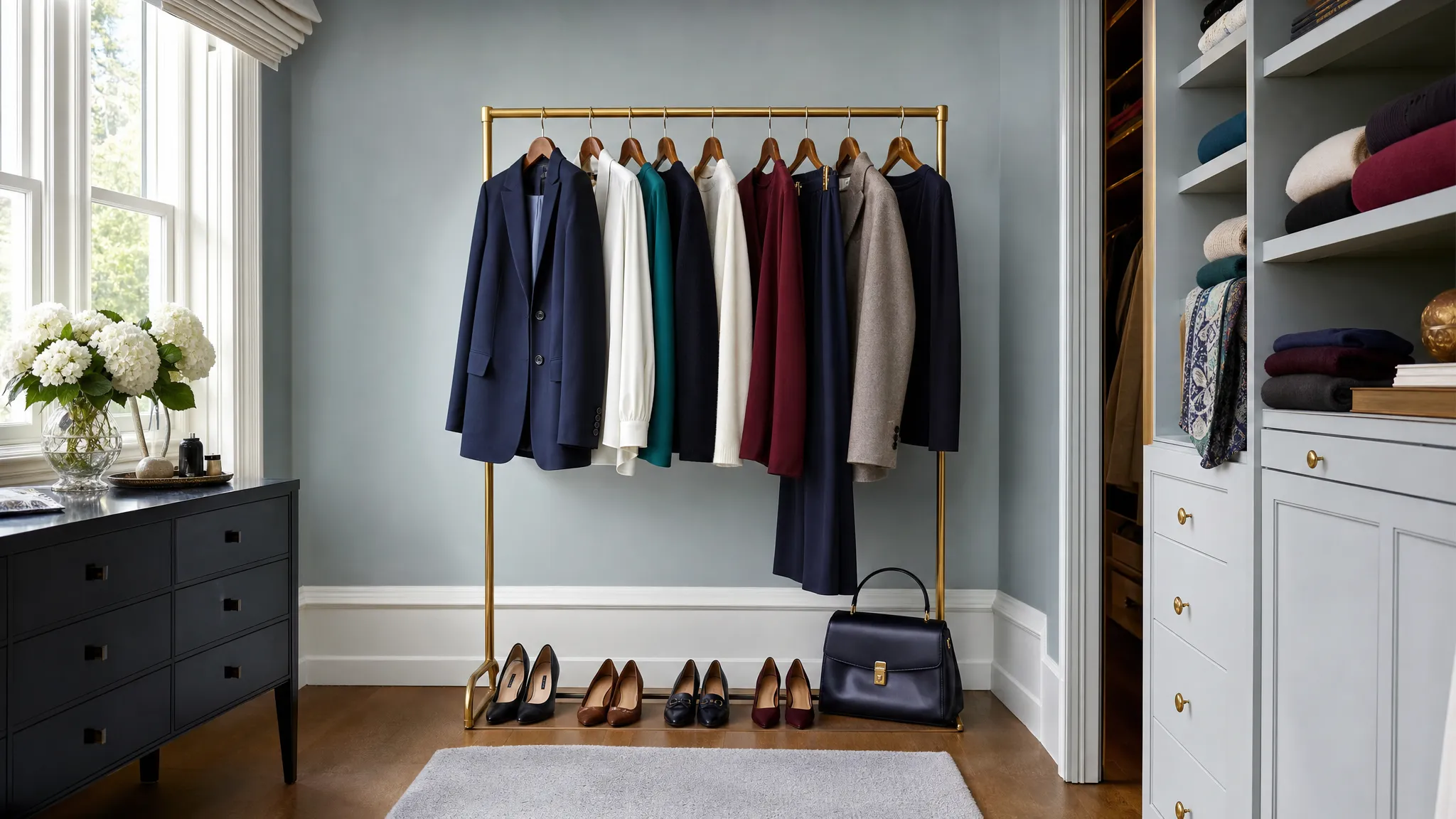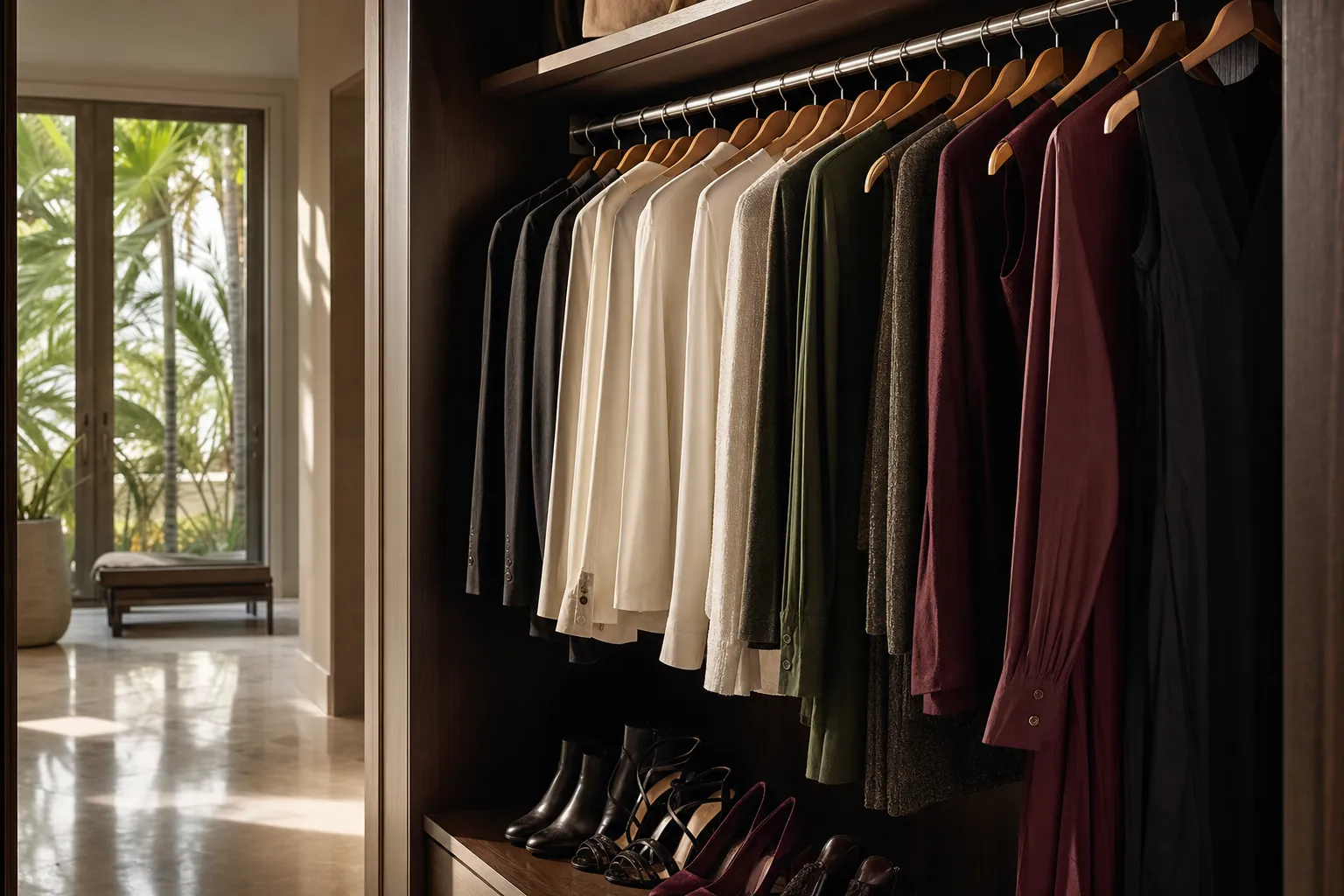
A wardrobe refresh is not a reason to buy a whole new version of yourself. It is a chance to take an honest look at the clothes you own, the life you are living now, and the small decisions that would make getting dressed feel less complicated.
Most people do not need more options. They need to see which options still work. A closet can be full of good pieces and still feel difficult when the clothes belong to a previous schedule, a previous body, a previous role, or a previous idea of what you should wear.
A useful refresh gives you a better filter. You keep the pieces that support your life, stop trying to force the ones that do not, and identify the few additions that would make several outfits easier. That is a much better use of your time and money than a broad shopping trip.
What a Wardrobe Refresh Is, and What It Is Not
A wardrobe refresh is a focused review. It can be as simple as spending an afternoon trying on the clothes you wear most, or as involved as looking at every category in your closet. The point is not to create a perfectly minimal wardrobe or to make your clothes look like anyone else's.
It is also not a dramatic purge for its own sake. There may be pieces that need to go, but there may also be pieces that need tailoring, a better shoe, a different layer, or simply a clearer role in your outfits. The goal is a wardrobe that feels current, useful, and recognizably yours.
If your life has changed in a more significant way, start with Anne's guide to rebuilding your wardrobe after a life change. A refresh is often enough when the foundation is still there but the way you use it needs attention.
1. Start With the Life You Have Now
Before you pull out a hanger, look at your actual week. Where do you spend your time? What situations make you hesitate in front of the closet? Which parts of your calendar require you to look polished, feel comfortable, or have a little more presence?
Include the ordinary moments. Work meetings, errands, dinners, travel, school events, weekends, exercise, and the in-between parts of a full life all count. A wardrobe built only for the rare occasion will feel incomplete on every normal Tuesday.
Then name the impression you want to make in those settings. Comfortable and appropriate matter, but they are not enough to guide a decision. Try words such as grounded, sharp, relaxed, decisive, warm, creative, or elegant. Those words become a useful test when you are deciding whether a piece still belongs.
For a closer look at the patterns behind a personal point of view, read how to find your clothing style without starting over. It will help you notice the shapes, colors, and details that already feel right on you.
2. Pull Out the Clothes That Still Earn Their Place
Start with the pieces you wear without negotiating with yourself. They may be the trousers that fit beautifully, the jacket that makes you stand differently, the dress that works for more than one kind of plan, or the shoe you reach for when you want to feel put together.
Lay those pieces where you can see them. You are not trying to make a perfect capsule yet. You are looking for evidence. Ask why each item works. Is it the color, proportion, fabric, ease, level of polish, or the way it connects to other things you own?
Then try on the nearly-right pieces. A good garment that has lost its usefulness is not a failure. Maybe the fit has changed, maybe the length feels dated, or maybe it has no useful partners left in the closet. Separate those items from clear keeps. A pile for alterations, repairs, and second thoughts gives you room to decide without making every choice permanent.
When you need help making those choices without regret, Anne's practical guide to decluttering your wardrobe is a good next read. The best edit is measured, not ruthless.

3. Build Five Real Outfits Before You Make a List
Once you can see the pieces you trust, build five outfits for situations that are actually on your calendar. Make one for your most typical day, one for the situation where you want to feel especially polished, one for a casual plan, one for an evening or social occasion, and one for whatever usually leaves you saying that you have nothing to wear.
This step turns a closet full of individual items into useful information. You may find that three pairs of pants are waiting for the same better top, or that several outfits would work with one more substantial shoe. You may discover that a jacket you thought you never wore is exactly what makes your favorite dress work during the day.
Take a quick private photo of the combinations that feel right. That reference becomes much more useful than a vague memory when you are getting ready in a hurry. It also shows you whether the wardrobe has enough range or whether every good outfit relies on the same item.
Anne's guide to outfit formulas can help you turn these successful combinations into repeatable starting points. A formula is not a uniform. It is a way to stop beginning every outfit from zero.
4. Name the Gap Before You Shop
Now make a gap list, not a shopping list. Broad categories are rarely useful. "I need tops" can send you home with three more almost-right pieces. "I need one refined top that works under my navy jacket and with my wider-leg trousers" gives you a clear assignment.
Every item on the list should solve a problem you found while building real outfits. It should have partners already waiting at home and a situation where you know you will wear it. That is how a purchase earns its place instead of becoming another attractive idea on a hanger.
Some gaps are not purchases at all. You may need a hem adjusted, a bra that gives a dress the right line, a belt that improves proportion, a shoe repair, or permission to stop building around a piece that never works. Small, specific changes often have more impact than another large delivery.
Before you buy, use a final three-part test. Can you name at least three outfits the item will complete? Can you picture wearing it within the next two weeks? Does it support the direction you wrote down for your current life? If the answer is no, leave it behind for now. That does not mean the item is wrong. It means it has not yet earned a job in your wardrobe.
If you want a more streamlined starting point for these decisions, see how to build a capsule wardrobe that feels like you. The useful principle is the same: every addition should make the rest of the wardrobe work harder.

5. Let Color and Personality Back Into the Conversation
A refresh can become too cautious when every decision is about practicality. Your clothes also need to feel like you. Notice which colors make you look more awake, which fabrics make you want to wear a piece again, and which details give an outfit enough character to feel personal.
That does not mean every item needs to make a statement. It means the wardrobe should have a point of view. A strong color near your face, a well-chosen accessory, an interesting shoe, or a softer fabric next to tailored pieces can be the thing that stops an outfit from feeling merely acceptable.
For a clearer way to think about color without turning it into a rulebook, read Anne's perspective on color analysis. Use the information when it helps, then keep the final decision connected to the person you are.
6. Wear-Test the New Direction
Do not judge the refresh only from a bedroom mirror. Wear the outfits through an ordinary week. Notice what happens after a few hours. Do you stop thinking about the clothes? Do you move comfortably? Do you still like the proportions when you catch your reflection later in the day?
Those reactions are better information than a shopping cart. A piece may look promising when you first put it on but prove fussy, uncomfortable, or disconnected once you leave the house. Another piece may become a favorite because it makes several outfits easier than you expected.
Give yourself two weeks before making a larger purchase. By then, the patterns will be clearer. You will know what you reach for, what still feels unresolved, and which few decisions would create the most useful change.
When an Outside Point of View Helps
Sometimes the clothes are there, but it is hard to see what they are telling you. You may have several almost-right outfits and no clear way to decide which changes are worth making. You may be entering a more visible role, navigating a changed body, returning to work, or ready for your wardrobe to feel more deliberate.
Anne's Fresh Start Style Session gives you a focused, personal read on what is working, what is missing, and what deserves your attention before you spend more. For clients who want deeper support with editing, shopping, and building complete outfits over time, the Style Advisory offers a more involved partnership.
A wardrobe refresh does not have to mean starting over. It can mean recognizing what still serves you, making room for the person you are now, and giving every future purchase a better reason to come home.
Frequently Asked Questions
What is a wardrobe refresh?
A wardrobe refresh is a focused review of what you own, what still works for your life, and what will make your real outfits easier to build. It is not a requirement to replace everything.
Should I declutter before I buy new clothes?
Yes. Begin by identifying the clothes that still fit, feel good, and work with other pieces. That makes it much easier to see whether you need a new purchase, an alteration, or a better way to use what you own.
How often should I refresh my wardrobe?
A light review at the start of a season or when your work, body, schedule, or standards have changed is usually enough. The goal is to keep the wardrobe useful, not to turn it into a constant project.
What should I buy first when refreshing my wardrobe?
Buy the piece that solves a specific outfit problem. A better shoe, layer, trouser, or alteration can be more useful than several broad purchases when it gives your existing clothes stronger partners.
Keep a short note as you go. A few honest observations about what you wore, avoided, and wished you had will keep the refresh grounded in real life.
Talk to Anne