Finding your clothing style can sound like a much bigger project than it needs to be. The internet makes it look as though the answer is a quiz, a label, or a shopping cart full of clothes you do not own yet.
It is usually more useful to begin with a quieter question: when do you already feel most like yourself?
That feeling may show up in a particular jacket, a favorite pair of pants, a color you reach for without thinking, or an outfit that makes you stop adjusting yourself all day. Those are not small details. They are evidence. Your clothing style is not a personality type you have to discover from scratch. It is the point of view that starts to emerge when you pay attention to what is already working.
This is good news for anyone who is tired of starting over. You do not need a completely new wardrobe to dress with more confidence. You need to see the patterns in the clothes, shapes, and combinations that belong in your life now.
Style Is a Point of View, Not a Costume
Personal style is often confused with being easy to recognize from across the room. That can be true for some people, but it is not the assignment. You do not need a signature color, a dramatic accessory, or a closet that looks as though it belongs to one fictional character.
A useful clothing style does something more practical. It makes decisions easier. It gives you a way to choose between two acceptable jackets, decide whether a purchase has a real place in your wardrobe, and get dressed for a day that matters without having to negotiate with every hanger.
Think of style as the relationship between three things: what feels natural on you, what your life asks you to do, and the impression you want to make. When those three things agree, clothes stop feeling random. They start to feel like yours.
Anne’s note on developing a point of view is a helpful companion here. The goal is not to narrow yourself into a box. It is to make room for choices that are more recognizably you.
1. Start With the Clothes You Already Trust
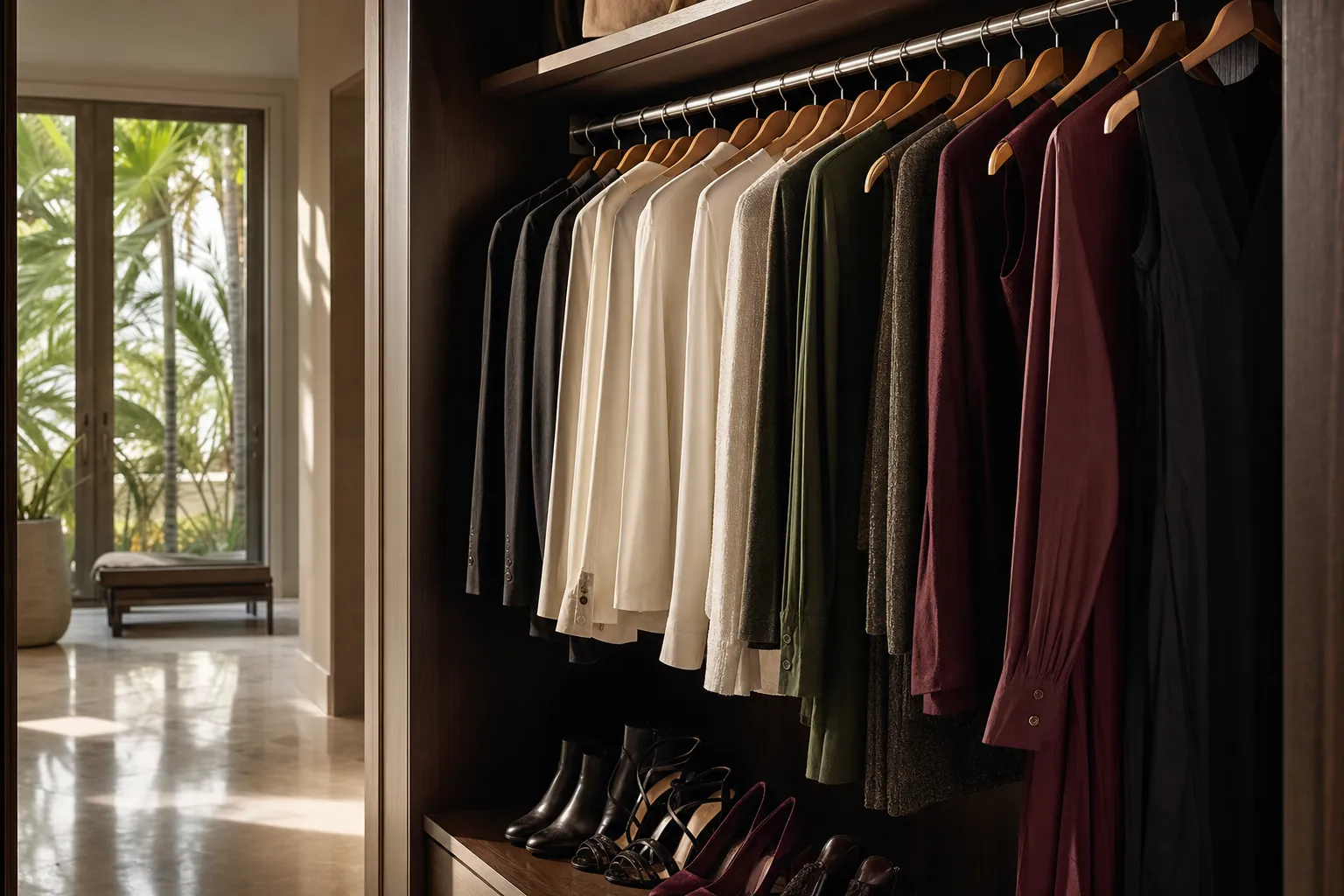
Before you look for inspiration, look at your own closet. Pull out the clothes you wear often and the outfits you remember feeling good in. Include the pieces you wear for ordinary life, not only the one dress or jacket you save for a special occasion.
Then ask a few simple questions. Which items make getting dressed faster? Which pieces make you feel appropriately dressed without making you feel like you are performing? What do you wear when you want to be seen as capable, relaxed, creative, polished, warm, or decisive?
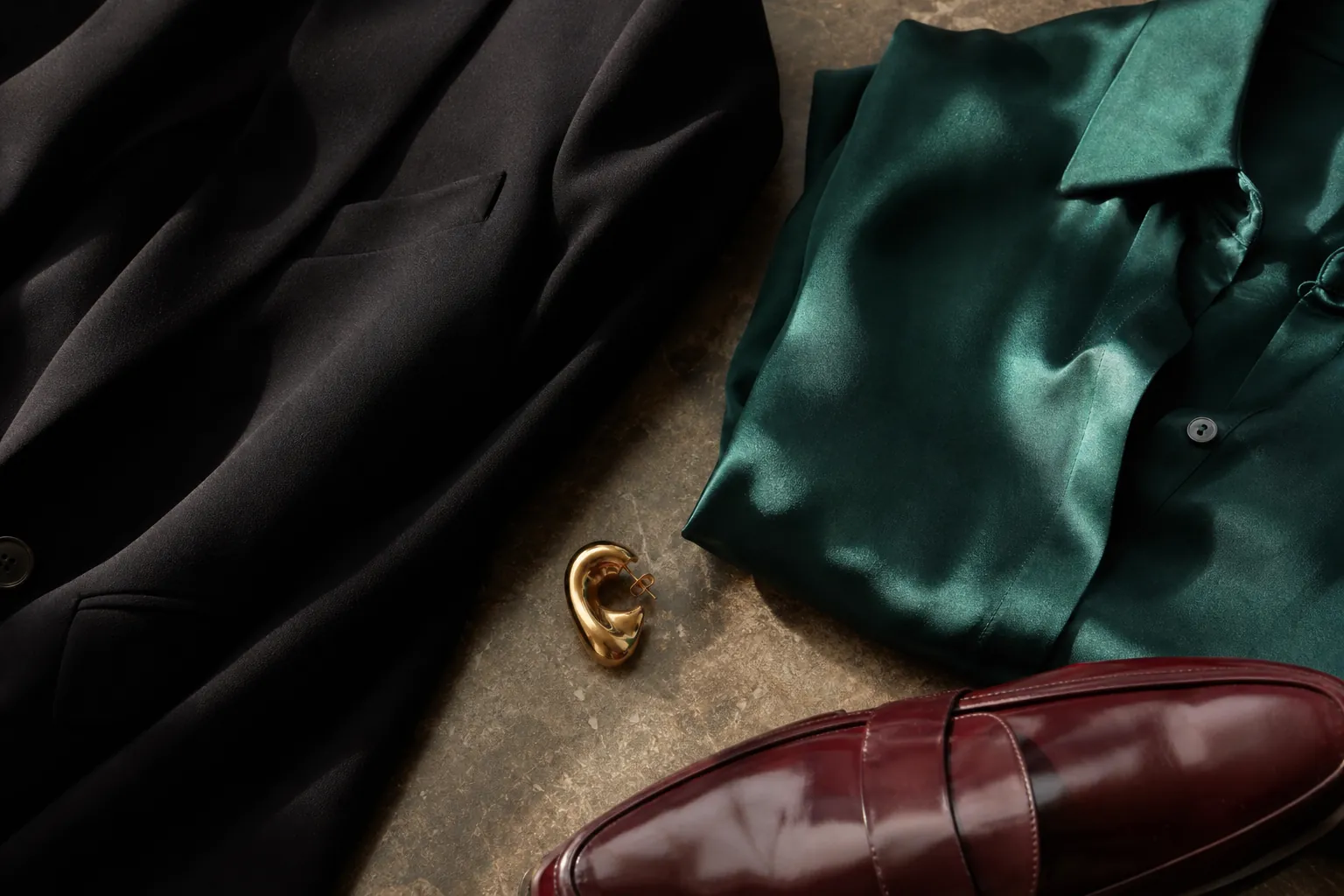
Pay attention to the details, not just the garment category. You may think your favorite item is a blazer, but the real clue could be the defined shoulder, longer line, or structure near your face. You may think you are drawn to dresses, but the useful pattern may be the ease of one-piece dressing and a stronger shoe. That distinction matters because it gives you more options than simply buying another version of the same thing.

Try to name five pieces you trust. They do not have to be expensive, new, or impressive on a hanger. You are looking for clothes that earn their place in your actual life. Once you have those, you have the beginning of a much more useful style direction than any generic list of essentials can give you.
2. Notice the Through-Lines
Now look for what those trusted pieces have in common. You may notice that you prefer clean, longer lines instead of cropped proportions. You may like a little structure balanced with softer fabric. You may feel best in a limited group of deeper colors, or you may come alive when one clear color is near your face.
Write down the words that describe the pattern. Keep them specific enough to help you make decisions. “Classic” is broad. “Tailored, warm, and unfussy” gives you something to work with. “Soft structure, rich color, and an interesting shoe” is even more useful.
Do not worry if the words seem to pull in different directions. Most people are not one note. You can enjoy a sharp jacket and a relaxed knit, a feminine detail and a practical shoe, quiet colors during the day and something bolder for dinner. The point is to notice the balance that feels right to you, not to force every outfit into the same mood.
Color can be part of the through-line, but it does not need to become a rulebook. If you want to understand which colors consistently support you, Anne’s guide to color analysis will help you use that information without handing over all your decisions to it.
3. Build a Small Style Reference From Real Life
Inspiration is useful when it helps you identify a pattern. It becomes unhelpful when it turns into a collection of beautiful images with no connection to your own calendar, body, climate, or comfort level.
Create a private reference with a small number of looks you would genuinely wear. Start with your own outfit photos if you have them. Then add images that show a useful proportion, color pairing, fabric mix, or level of polish. Give yourself a limit. Fifteen strong examples are more revealing than hundreds of saved images.
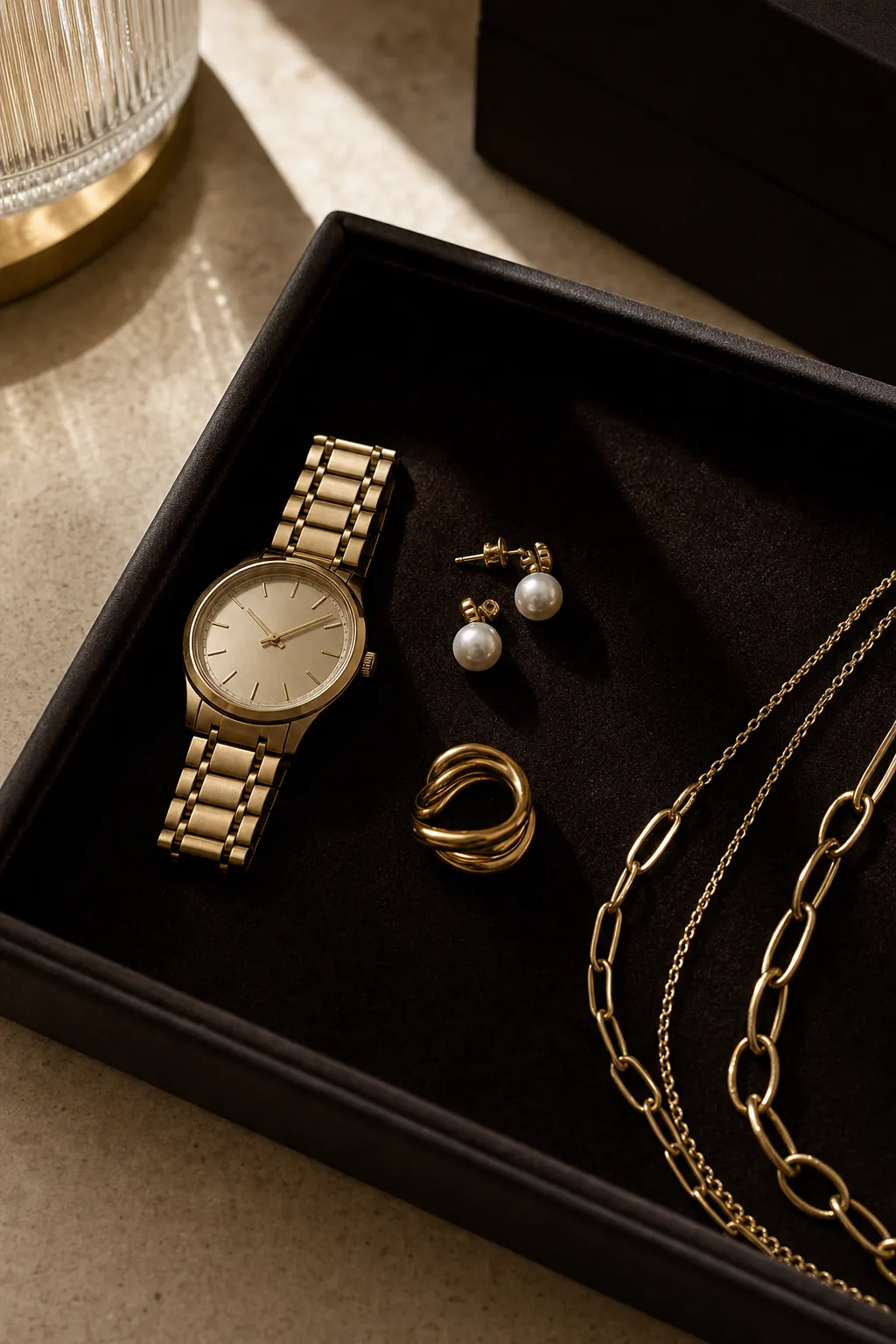
When you look back at the group, ask what repeats. Are you drawn to longer jackets, column dressing, wider pants, defined waists, flat shoes, fine jewelry, or a certain contrast between crisp and soft pieces? Do not copy the people in the images. Use them to spot the visual language that keeps catching your eye.

This is also a good moment to separate admiration from identification. You may love the look of a very spare black wardrobe, but never feel like yourself in it. You may admire a maximalist print, but only want it as a scarf or a dinner top. Both observations are useful. You are building a wardrobe for your life, not an audition for somebody else’s.
4. Turn the Patterns Into Outfit Formulas
Once you can see your preferred shapes and details, turn them into a few outfit formulas. A formula is not a uniform. It is a reliable starting point for the situations you repeat.
For example, your workday formula might be a tailored pant, refined top, structured layer, and low polished shoe. Your off-duty formula might be straight jeans, a more intentional knit, and a substantial flat. Your dinner formula might be a dress or column of color, a jacket, and one strong accessory.
The value is not in following a formula word for word. It is in recognizing the relationships that make you feel right. If you know you like a long line, a visible waist, and a shoe with some weight, you can create several versions without feeling repetitive. The system gives you freedom because you are no longer starting from zero every morning.
For a more detailed way to build those combinations, read Outfit Formulas: Get Dressed With Less Guesswork. It will help you make the clothes you already own work together more often.
5. Make a Gap List, Not a Shopping List
Now comes the part that protects you from buying another almost-right item. Do not make a broad list of things you think a stylish person should own. Make a precise list of what would help your real outfits work.
“I need tops” is not a useful assignment. “I need one light layer that works over dresses and with my cropped pants” is useful. “I need shoes” is vague. “I need a comfortable, polished shoe that gives my work pants more presence” tells you what you are looking for.
Specific gaps may not require shopping at all. You may need a hem adjusted, a jacket tailored, a better bra, a belt that creates the proportion you like, or permission to stop building outfits around a piece that never quite works. A wardrobe gets more coherent when every addition has a job and existing partners.

If the process exposes a lot of clothes that no longer fit your life, do not rush to replace everything. Start with Anne’s guide to decluttering your wardrobe without regret, then rebuild from the pieces that are still worth your attention.
6. Wear-Test Your Direction
A clothing style is not finished when you can describe it. It becomes real when you wear it through an ordinary week.
Choose a few outfits that reflect the direction you have identified. Wear them to work, out to dinner, on an errand, or wherever your life actually happens. Notice what holds up. Do you stop thinking about the clothes once you leave the house? Do you like your reflection at the end of the day? Do you stand differently, or do you keep adjusting the waistband, pulling at a hem, or wishing you had chosen another shoe?
Those reactions are useful information. Style is not only about appearance. It is also about how easily you can move through the day while wearing it.
Take a quick photo of the outfits that work. Keep it private. The point is not to document yourself for anyone else. It is to build a reference you can use on a busy morning, before a meeting, or when you are packing for a trip. Over time, those photos will show you which combinations are truly yours.
Give the process at least two weeks. You will probably find that some clothes you expected to love do not fit the direction after all. You may also find that a piece you overlooked becomes valuable when you pair it differently. That is not indecision. It is the wardrobe teaching you what belongs.
When an Outside Point of View Helps
Sometimes you can see the pattern but still do not know what to do with it. You may have several almost-right outfits and no clear way to decide what deserves investment. You may be dressing for a new role, a changed body, a move, or a life that now asks more of your appearance than it used to.
Anne’s Fresh Start Style Session gives you a focused, personal read on what is working, what is missing, and which decisions will move your wardrobe forward. For clients who want help editing, shopping, and building complete outfits over time, the Style Advisory provides deeper support.
You do not have to become a different person to find your clothing style. You simply have to notice what already helps you feel clear, capable, and like yourself, then give those choices more room in your wardrobe.
Frequently Asked Questions
How do I find my clothing style?
Start with the clothes you already choose most often. Look for repeat patterns in fit, proportion, color, structure, and the settings where you feel most like yourself, then use those patterns to guide future decisions.
What if I like too many different styles?
You do not need to choose one rigid label. Look for the common thread between the looks you love, then give each variation a role in your real life. A working wardrobe can hold range when the pieces still feel connected.
Do I need to replace my wardrobe to find my style?
No. Begin by identifying the pieces that already work and the outfits you repeat with confidence. You may need a few precise additions, alterations, or better partners for existing clothes, not a total replacement.
How long does it take to find your clothing style?
You can notice useful patterns in a week or two of paying attention to what you actually wear. The deeper work happens over time as you test outfits, refine your choices, and let your wardrobe keep pace with your life.