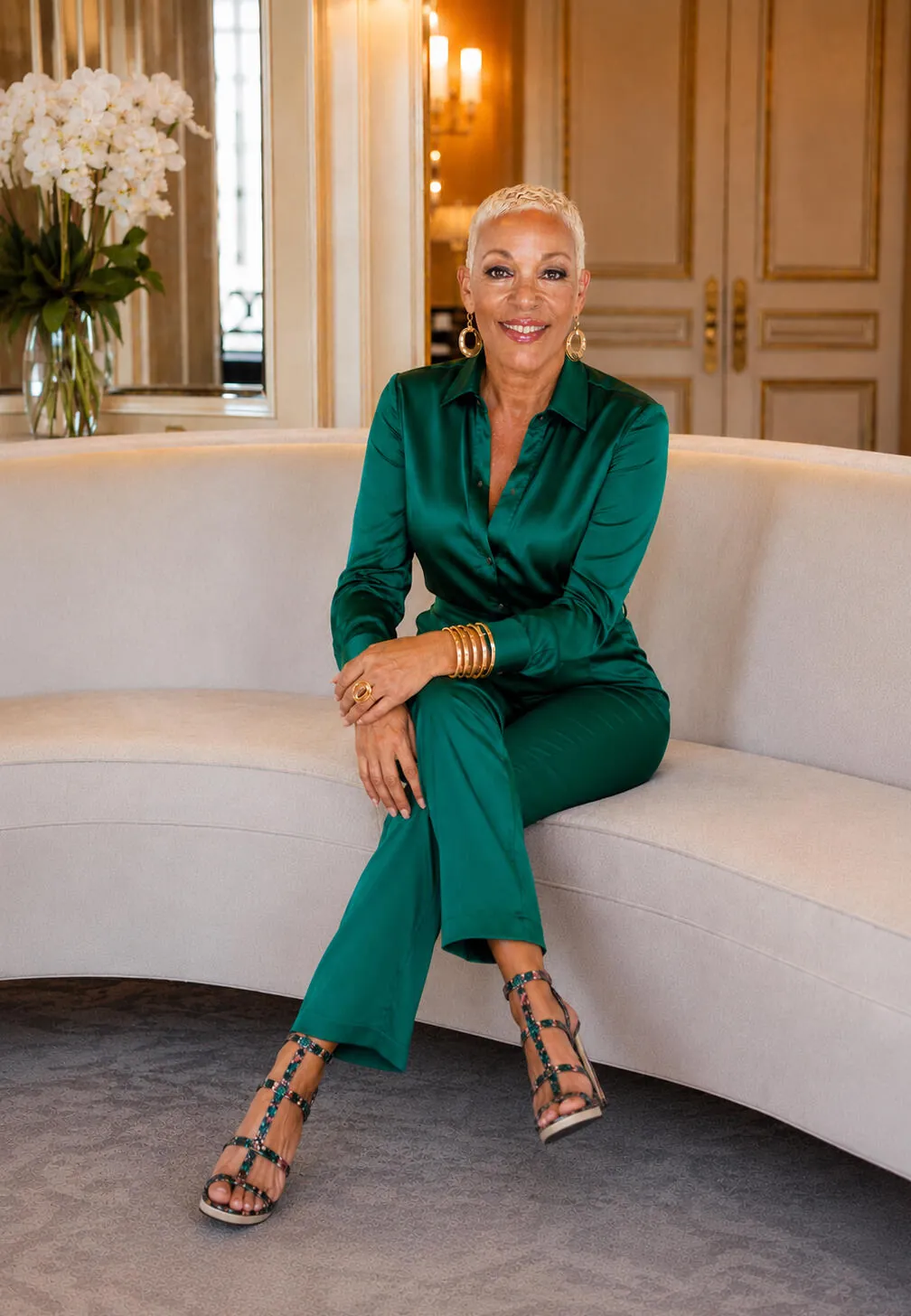
A networking event is not a runway, and it is not a test of whether you own the right version of business clothes. It is a room where you want to introduce yourself, make a good connection, and stay present long enough for a real conversation to happen. Your outfit should make that easier.
The most useful choice is usually one step more considered than your ordinary day, without becoming a costume. You want to look like yourself on a particularly good day: comfortable in your clothes, clear about your point of view, and ready to be seen.
That sounds simple, but it helps to make the decision before the event is on the calendar. When you know what your clothes need to do, you can stop asking whether an outfit is impressive enough and start asking whether it will let you move, talk, sit, stand, and feel at ease in the room.
Start With the Room, Not the Dress Code
Begin with the invitation. A cocktail reception at a hotel, an industry mixer after work, a conference dinner, and a casual founder gathering can all be called networking events, but they ask different things of your wardrobe.
Look at the venue, time of day, host, and people you hope to meet. Consider the temperature, whether you will be standing for a while, and how you will get there. If you are presenting, sponsoring, or arriving directly from work, build from the part of the day that needs the most polish.
Then choose the level of formality. A tailored blazer, refined knit, structured dress, good trouser, polished shoe, or intentional accessory often does more than a head-to-toe formal look. The goal is to feel appropriately dressed for the room, not to outdress it. For a broader way to think about the impression your clothes make before the conversation starts, read Anne’s note on when your work makes you visible.
Choose One Reliable Anchor Piece
The easiest way to avoid a last-minute outfit spiral is to start with an anchor you already trust. It might be the jacket that gives a simple outfit structure, trousers that always fit well, a dress that lets you forget about it once it is on, or a shoe that makes you stand differently.
Build around that piece instead of trying to create a new version of yourself for one evening. A great anchor has three qualities: it feels comfortable after an hour, it fits the event’s level of polish, and it has enough personality to feel like you.
If your closet is full but the dependable pieces are hard to identify, a light wardrobe refresh can help you see the patterns. The right answer may already be there, waiting for a better partner or a little tailoring.

Let Comfort Carry Some of the Confidence
Networking usually means more standing, warmer rooms, and more movement than you expect. An outfit that looks good in a mirror but requires constant pulling, shifting, or checking becomes a distraction quickly. That is not a small detail. When you are uncomfortable, it is harder to listen and harder to be generous in a conversation.
Wear the full outfit at home first. Sit down. Raise your arms. Walk in the shoes. Bring the bag you will actually carry. Check the neckline, hem, strap, and jacket when you move. These small tests are more useful than a dozen opinions from the fitting room.
Comfort does not mean defaulting to whatever you wear on the couch. It means choosing polish you can inhabit. If you want more reliable building blocks for that balance, Anne’s guide to outfit formulas shows how repeatable combinations can take the guesswork out of getting dressed without turning you into a uniform.
Use Color and Detail With Intention
A networking outfit does not need to be all black, beige, or navy to be professional. In fact, one color near your face, a textured fabric, a good earring, or a distinctive shoe can make you easier to remember in a way that feels natural.
Keep the overall look coherent, then choose one detail that gives it energy. You may love a deep wine jacket, an interesting print under a neutral suit, a sculptural earring, or a sharper shoe. The point is not to make the detail do all the talking. It is to give the outfit a point of view.
If color has become a source of rules rather than useful information, Anne’s perspective on color analysis can help. Wear the shades that make you look awake and feel recognizable, then let the room tell you how much is enough.
Do Not Save the Good Piece for a Better Occasion
People often hold back the jacket, bag, jewelry, or shoe that would make an outfit feel complete because the event does not seem important enough. But a networking event is exactly the kind of occasion where a useful piece earns its place. You are there to be part of the room, not to look like you were hoping no one would notice you.
That does not mean buying something new for every invitation. It means using what you already own with more intention. Pair the good jacket with a simple top and trousers. Wear the memorable earring with your most dependable dress. Give the shoe you reserve for dinners a role in the working part of your life.
A wardrobe becomes more valuable when the pieces you love have real jobs. If too many good pieces are waiting for a future version of your life, start with Anne’s guide to decluttering without regret. You may find that the issue is not what to keep, but what you have not allowed yourself to use.

Plan the Practical Details Before You Leave
The easiest outfit can become difficult if the practical parts are an afterthought. Bring a layer if the venue will be cold. Choose a bag that holds what you need without needing constant attention. Wear shoes you can stand in. If you are driving, consider how the outfit will look after the seat belt and the walk from the parking lot.
These choices are not unglamorous. They protect the confidence you built when you chose the outfit. You will feel more at ease introducing yourself when you are not worried about your feet, your bag, or whether your jacket will stay where it belongs.
For a more visible professional moment, you may need a wardrobe that does more than meet a dress code. Anne’s executive image consulting and Visual Authority Assessment are designed for people whose clothes need to support the level of their work, not compete with it.
A Simple Networking Event Outfit Checklist
- Does the outfit make sense for the venue, host, and time of day?
- Can you stand, walk, sit, and move comfortably for several hours?
- Does one piece give the look a clear point of view?
- Have you tried the actual shoes, bag, layer, and undergarments together?
- Would you feel comfortable meeting the most important person in the room in this outfit?
If the answer to the last question is yes, stop changing it. Getting dressed well is not about reaching a perfect answer. It is about choosing a useful one, then giving your attention to the people you came to meet.
When an Outside Point of View Helps
Sometimes an event brings up a bigger question. You may be stepping into a more visible role, returning to professional events after a change, or noticing that your clothes no longer communicate the level of confidence you have earned. Those are wardrobe questions, but they are also questions about presence.
Anne’s Fresh Start Style Session gives you a focused read on what is working, what is missing, and what would make getting dressed easier. For deeper support with wardrobe decisions, shopping, and complete outfits, the Style Advisory offers a more involved partnership. The goal is not a networking-event costume. It is a wardrobe that helps you show up as yourself wherever the room matters.
Photography: Unsplash.