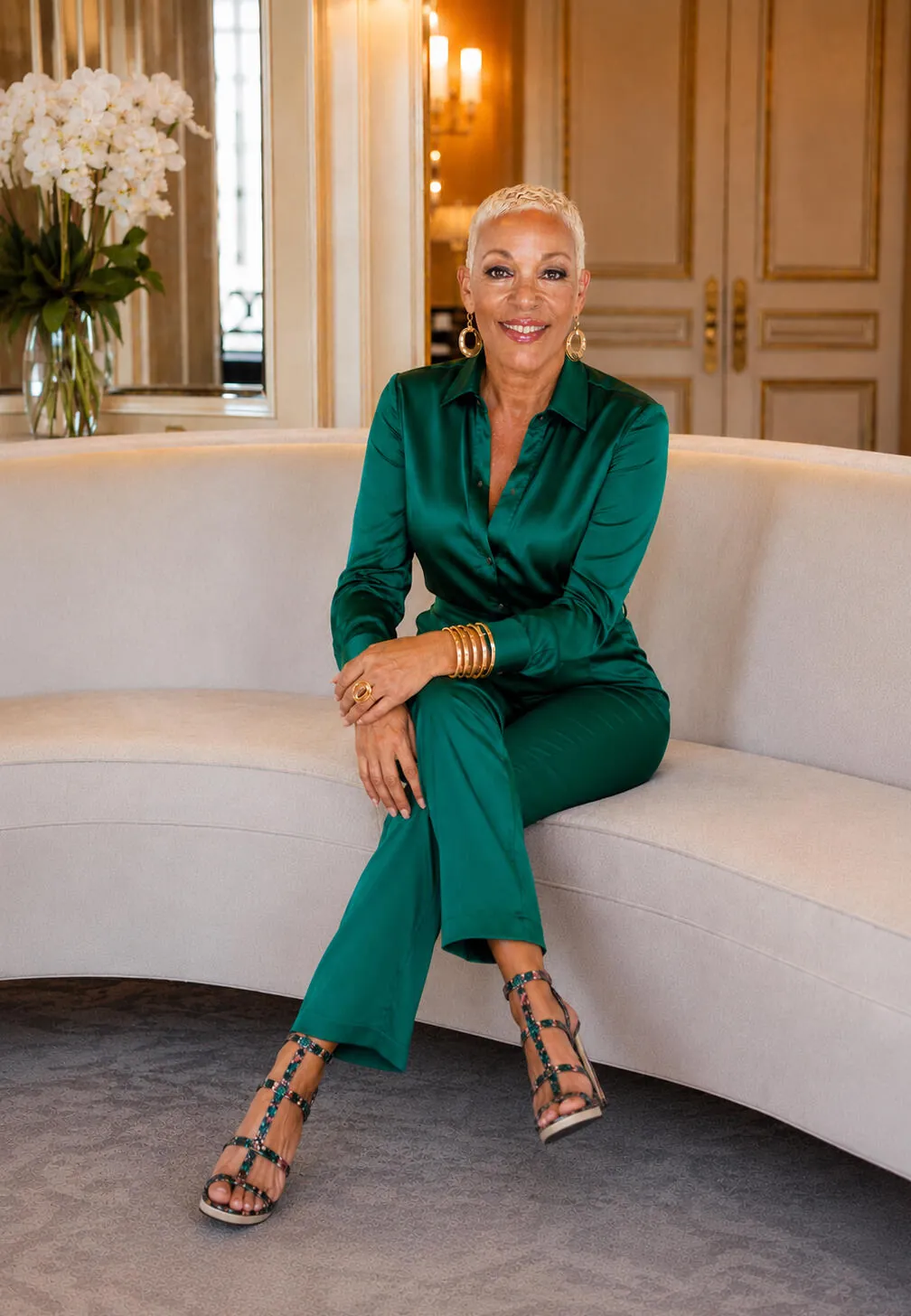
A professional headshot is a small image with an outsized job. It may introduce you before a meeting, sit beside your work in a proposal, appear on a company website, or become the photo people recognize on LinkedIn. The clothes in the frame do not need to tell your whole story. They do need to make the right first impression feel believable.
That is why the best headshot outfit is not automatically the most formal thing you own. It is the outfit that puts the attention where it belongs, on your face, your expression, and the level of work you do. You should look like yourself on a very good day, not like someone who borrowed a costume for the occasion.
Start with the image's job. A portrait for a law-firm bio, a founder's website, a speaker page, and a creative portfolio can all call for a different kind of polish. The useful question is not, “What do people wear in headshots?” It is, “What should this photograph help people understand about me?”
Start With the Role You Need the Photo to Play
Before you choose a top, list the places the image will live for the next year or two. A corporate website may need a level of structure that feels more formal than a personal social profile. A consultant who wants to be seen as steady and experienced may want a different message from a designer whose work depends on warmth and originality.
Look at the people you want to work with, not simply the people in your office. If clients expect a tailored, polished presence, your headshot should make that expectation feel natural. If your work is more personal, creative, or relationship-led, the image can be softer without becoming vague or casual.
A good headshot is not a test of whether you can dress according to somebody else's rulebook. It is a chance to make your image and your work agree. Anne's Visual Authority Assessment is built around that larger question for people whose work puts them in view.
Choose One Clear Direction, Not a Generic “Professional” Outfit
Most people have several clothes that could pass as professional. That is not the same as having an outfit that communicates clearly on camera. Choose one direction before you start pulling options out: authoritative and composed, approachable and polished, creative and precise, relaxed but capable, or elegant and understated.
That direction helps you make better decisions about line, color, layers, and accessories. A dark blazer over a simple knit may feel right for someone who wants structure without stiffness. A refined dress with a defined neckline may better reflect someone whose work is client-facing and personal. A crisp shirt, excellent knit, or soft jacket can be more convincing than a suit that looks unfamiliar on the person wearing it.
The aim is coherence. When the clothes, grooming, setting, and expression all move in the same direction, the final image feels effortless. When one element is trying to say “formal,” another is trying to say “creative,” and the wearer looks uncomfortable, the picture asks the viewer to do too much interpretation.

Let Color Frame Your Face
In a headshot, color sits very close to your face. It can make your complexion look clear and alive, or it can make the whole image feel flat. The safest starting point is usually a solid color that you genuinely wear well, rather than an imagined “camera color” you would never choose otherwise.
Navy, charcoal, burgundy, forest green, soft blue, cream, and other quieter shades can all work beautifully. The right answer depends on your coloring, the background, and whether the photograph needs to feel more formal or more open. A photographer can tell you what will work against their backdrop, but they cannot decide whether the color feels like you. Bring options.
Very bright white can disappear against a pale background, while black can become visually heavy in a tightly cropped portrait. Neither is forbidden. They simply need to work with the lighting and the rest of the image. The Virginia Commonwealth University career guide makes the same useful point: plan the attire around where the image will appear and the message it should carry.
One strong color is often more memorable than an outfit full of competing ones. If you love a signature color, use it deliberately. If you prefer neutrals, use texture, shape, and a flattering neckline to keep the image from feeling drained of personality.
Fit and Neckline Matter More Than a Trend
Headshots crop tightly, which means details that might disappear in a full-length outfit become prominent. A collar that buckles, a jacket that pulls across the shoulders, a neckline that constantly shifts, or an oversized knit that erases your shape can distract from an otherwise strong photograph.
Try every option on fully, including the underlayers and jewelry you plan to wear. Sit, stand, turn slightly, and look at the outfit from the angle where a photographer will likely place you. Ask whether the shoulder line is clean, whether the neckline frames your face, and whether the fabric lies smoothly instead of bunching or gaping.
Wear something that allows you to breathe and move. There is no value in an outfit that looks ideal for five seconds but makes you hold your body unnaturally. The camera notices tension. So do the people looking at the image later.
For a more complete sense of how proportion and clothes support the impression you make, read When Your Work Makes You Visible. The point is not to perform authority. It is to let your image make your existing authority easier to recognize.
Keep Pattern, Shine, and Branding From Doing Too Much
Small checks, fine stripes, shiny fabric, loud logos, and high-contrast prints can compete with your face in a close crop. They may also date the image quickly or look visually unsettled when the photo is reduced to the size of a profile thumbnail.
That does not mean every headshot must be a solid navy shirt against a gray wall. A substantial knit, subtle texture, larger-scale pattern, or a personal accessory can add interest without becoming the subject. The test is simple: when you look at a phone-size preview, does your eye land on your face first?
Keep jewelry and accessories in the same spirit. Wear the pieces that feel like your normal finishing touch, not a collection you added because a photoshoot seemed to demand it. If an earring keeps turning, a necklace catches the light, or a watch feels more noticeable than your expression, leave it out. The best details support the person in the picture rather than announcing themselves.

Bring Two or Three Complete Options
Do not arrive with three vague tops and hope the right outfit appears on the day. Bring complete looks, including the jacket, shirt or top, undergarments, shoes if the photographer is making a wider crop, and the accessories you genuinely plan to wear. That lets you compare actual choices instead of making a series of last-minute compromises.
A useful set might include one more structured option, one softer or more approachable option, and one that feels distinctly like you. The choices should be different enough to give you range, but close enough that any of them would make sense for your work.
Photographers often recommend this approach for practical reasons too. A second layer can create another usable look without asking you to reinvent yourself halfway through the session. The key is to choose options that all belong to the same person and the same professional story.
Do a Camera Test Before the Session
Take a few quick photos at home in natural light. They do not need to be flattering portraits. The point is to see how the colors, neckline, collar, and layers read through a camera. Stand a few steps away, crop the image around the chest, and look at it small on your phone.
This is where many nearly-right choices reveal themselves. A top that looks great in the mirror may look washed out on camera. A jacket you thought felt too serious may become the piece that gives the image shape. A favorite necklace may be invisible, or it may catch every bit of light. Test, adjust, and then stop second-guessing.
Tell the photographer how and where the headshot will be used. They can help you choose the background, crop, and lighting that supports the outfit you brought. A good photographer sees the image as a whole. Your job is to give them honest, wearable options to work with.
Prepare the Details That the Camera Will Catch
The day before, steam or press the visible pieces, check for loose threads, and make sure the collar, lapels, or neckline sit properly. Clean your glasses if you wear them. Put small accessories in one place. If you are bringing a jacket, transport it on a hanger rather than folding it into a bag.
Hair, grooming, and makeup should look like a well-rested version of your usual self. A dramatic change right before a headshot can make the image feel unfamiliar later. If your normal professional presence includes bold lipstick, glasses, natural texture, a beard, or expressive jewelry, there is no reason to erase it. Just make sure each detail belongs to the message you want the image to carry.
Most of all, do not save a brand-new outfit for the session without wearing it first. The clothes should feel settled on your body. Confidence is easier to photograph when you are not negotiating with your sleeves, waistband, or neckline.
When an Outside Eye Is Worth It
Choosing a headshot outfit can be strangely difficult because you are making a decision about how you want to be seen. You may have several good options and no clear way to choose between them. Or you may be entering a more visible role and want the photograph to reflect the level you are already operating at.
Anne helps clients make those decisions without turning them into a costume exercise. A Fresh Start Style Session is a focused way to decide what serves your image before you spend on a new outfit. For clients who want a more complete answer, the Style Advisory can help connect the headshot to the larger wardrobe and the life it needs to support.
A strong professional headshot does not require a new personality or an expensive shopping trip. It requires an outfit that lets the right person come through clearly.
Frequently Asked Questions
What color should I wear for a professional headshot?
Choose a solid color that frames your face and feels believable for your work. The best color depends on your coloring, the background, and the impression you want to make, so bring a few options if you can.
Should I wear a blazer for a professional headshot?
A blazer is useful when the role calls for structure and polish, but it is not mandatory. A refined knit, dress, shirt, or another tailored piece can be a better choice when it looks more like you.
Can I wear a pattern in a professional headshot?
Yes, when it is quiet enough that your face remains the focus. Avoid small busy checks, fine stripes, logos, and high-contrast prints, then compare a patterned option with a solid alternative on camera.
How many outfits should I bring to a headshot session?
Bring two or three complete options when the session allows it. Include every visible layer and accessory, then choose the look that best supports where the photograph will be used.